
Whether you produce ten units or 10,000 units, these expenses stay the same. Variable costs change directly in relation to the output of a business, so when there is no output, there are no variable costs. A good example of variable costs is the operational expenses that increase or decrease based on the business activity. If a business grows, so will its expenses such as utility bills for electricity, gas, or water. Fixed costs are generally easier to plan, manage, and budget for than variable costs.

Module 2: Cost-Volume-Profit Analysis

A prepaid cell phone plan might include a base rate of $30 for 1G of data and $5 for each additional 300 megabytes of data. A salesperson might earn a base salary of $25,000 per year plus $3 for each unit of the product she sells. Equipment rental may cost $8,000 per year plus $1 for each hour used over 10,000 hours.
- By analyzing and managing variable costs effectively, businesses can optimize their cost structure and improve profitability.
- Learn through real-world case studies and gain insights into the role of FP&A in mergers, acquisitions, and investment strategies.
- Total costs are composed of both total fixed costs and total variable costs.
- On the other hand, if the demand for your product increases with less workforce, you may have to increase the pay or hire more workers.
- These expenses stay the same each week, month, quarter, or year, regardless of how your business performs.
Understanding Fixed Costs
- If you’re not producing any units at all, your variable expenses fall to zero.
- For example, if activity doubles, the total variable cost also doubles; if activity trebles, the variable cost trebles.
- Workers are expected to produce up to 25 journals per hour, so the hourly rate is respectable if the student works steadily.
- This combination makes mixed costs more complex to analyze compared to purely fixed or variable costs.
- While working on production costs, one should know the difference between fixed and variable costs.
- Evaluating how much you tend to spend on different variable costs can help you budget for these expenses going forward.
So if you want to make Bookkeeping for Startups $500 in profit, you would need to sell five widgets at $100 each. Accruing tax liabilities in accounting involves recognizing and recording taxes that a company owes but has not yet paid. This is important for accurate financial reporting and compliance with… Starting a nonprofit can be a fulfilling way to make a difference in the community, but it requires careful planning and consideration.
- These are desirable, but you can choose whether to have them or not.
- The term sunk cost refers to money that has already been spent and can’t be recovered.
- Exploring the distinctions between fixed vs. variable costs unveils valuable insights.
- Raw materials represent a chunk of the overall production costs and overly business costs.
- Marginal costs can include variable costs because they are part of the production process and expense.
Interest Expense
The blue Xs are our data points, and the dashed line is what our formula predicts based on various levels of output. The company faces the risk of loss if https://www.bookstime.com/ it produces less than 20,000 units. However, anything above this has limitless potential for yielding benefits for the company. Because commissions rise and fall in line with whatever underlying target the salesperson must hit, the expense varies with changes in production. Raw materials are the goods that a business purchases to create a final product.

The current variable cost will be higher than before; the average variable cost will remain somewhere in between. As a company strives to produce more output, it is likely to require additional power, resulting in increased variable utility costs. A variable cost is a business expense that’s directly affected by production. The cost which changes with the changes in the quantity of output produced is known as Variable Cost. They are directly affected by the fluctuations in the activity levels of the enterprise. Semi-variable costs are a third expense category that incorporates a fixed element as well as a variable element.
Why are fixed and variable costs important?
Fixed costs remain unchanged with production, while variable costs depend on operational load and fuel use. Understanding both types helps engineers and managers plan economically efficient plant operations, control expenses, and set fair electricity tariffs. Proper management of fixed and variable costs ensures profitability, reliability, and sustainable power generation. As per the above explanations, both cost categories are very different and are essential in financial analysis. As such, it is crucial to understand the various facets of the two to apply them successfully in a business scenario. While variable costs tend to remain flat, the impact of fixed costs on a company’s bottom line can change based on the number of products it produces.

- These types of expenses are composed of both fixed and variable components.
- This means that the company earns $10,000 of profit at 4,000 units or $40,000 of sales.
- These costs fluctuate depending on how much output a company generates.
- At a per unit sales price of $12, revenue at our break-even point will be $120,000.
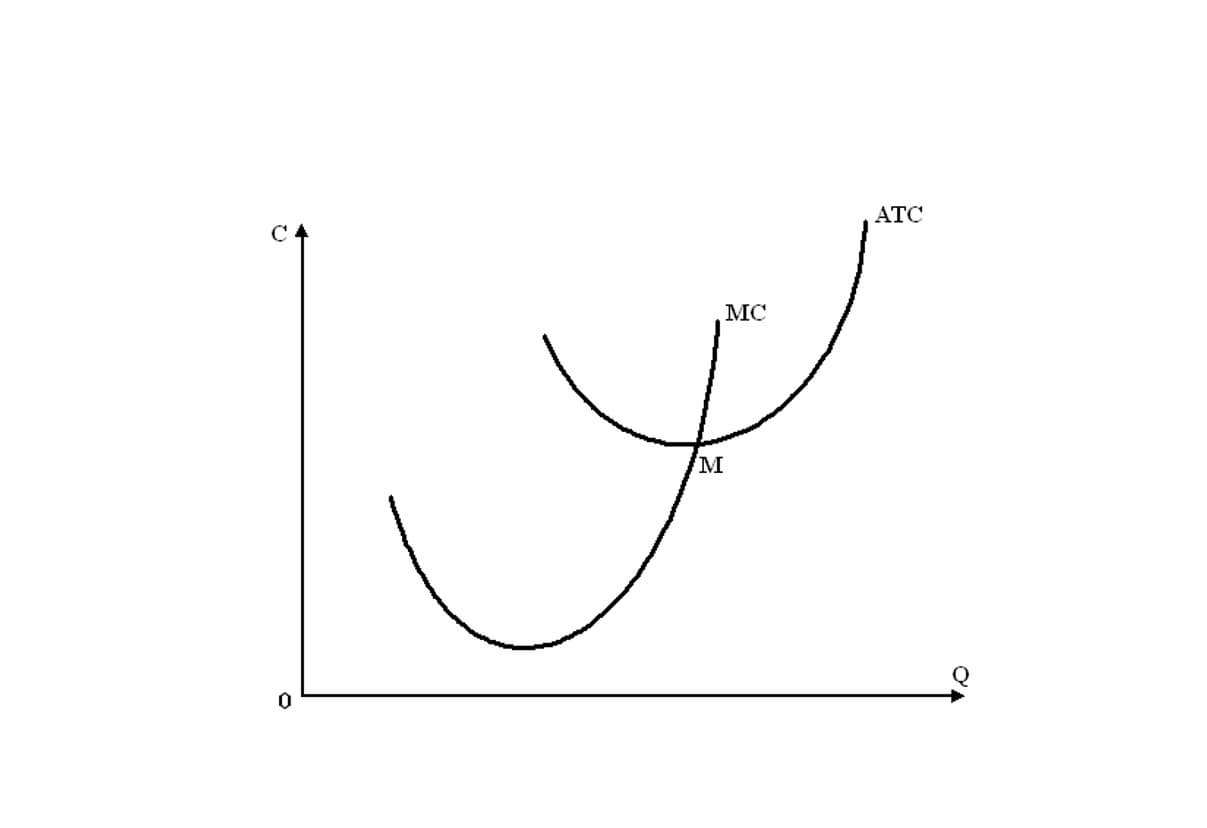
- The marginal cost will take into account the total cost of production, including both fixed and variable costs.
As production increases, variable fixed costs vs variable costs costs increase, and as production decreases, variable costs decrease. These costs are typically driven by the quantity of materials and labor required for production. Examples of variable costs include raw materials, direct labor wages, and manufacturing supplies.
What are fixed and variable costs?
Successful businesses have to deal with various costs at different levels and degrees. This means that the company needs to sell 2,000 units or $20,000 worth of products per month to break even. A company’s monthly fuel costs – which cover its vehicle fleet – is the prime example of a sunk cost. It’s not possible to reclaim the petrol or diesel used to drive from A to B.
Leave a Reply